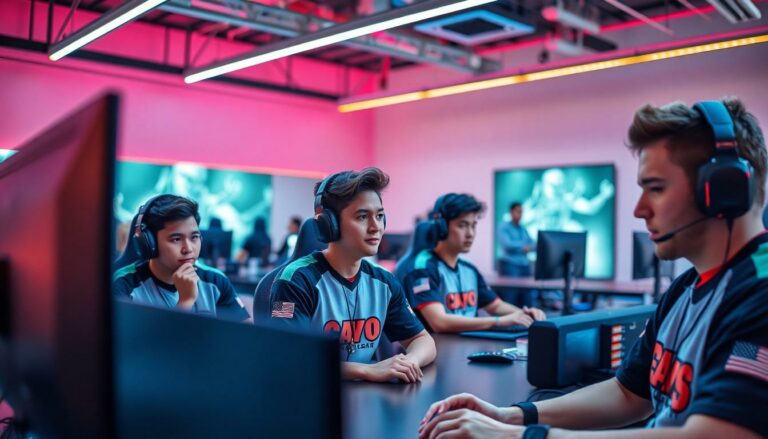
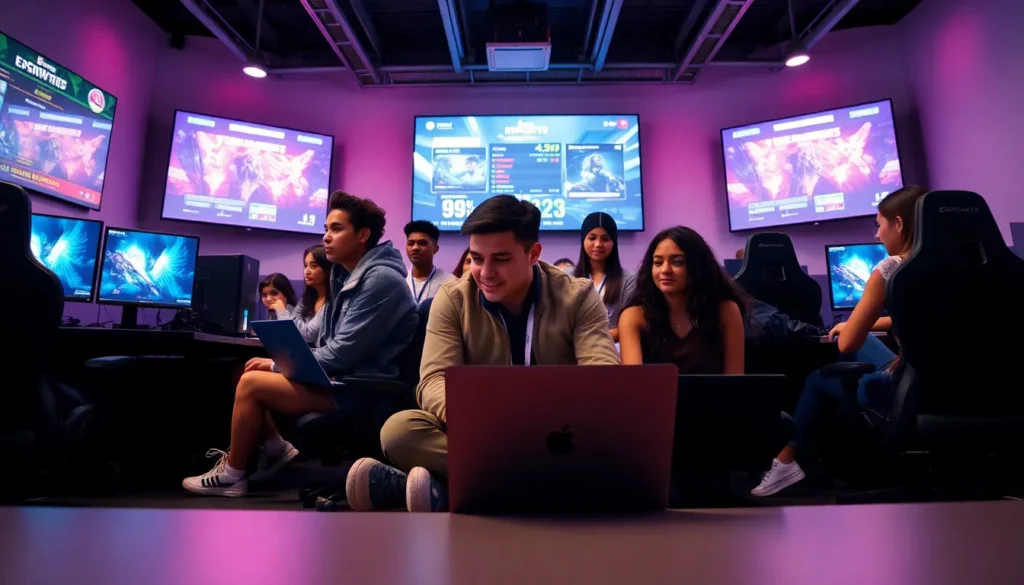
Imagine a world where playing video games isn’t just a pastime but a bona fide career path. Welcome to the realm of esports colleges, where students can turn their passion for gaming into a structured, academic pursuit. Gone are the days when parents sighed at their kids’ hours spent in front of screens: now they can appreciate the robust career options spawned by the booming esports industry. Educational institutions across the country are embracing this shift, offering programs that reflect the competitive spirit and community of esports. So, what does the future hold for students eager to level up their gaming careers? Immerse as we explore how esports is changing education for the better.
Understanding Esports and Its Impact on Education
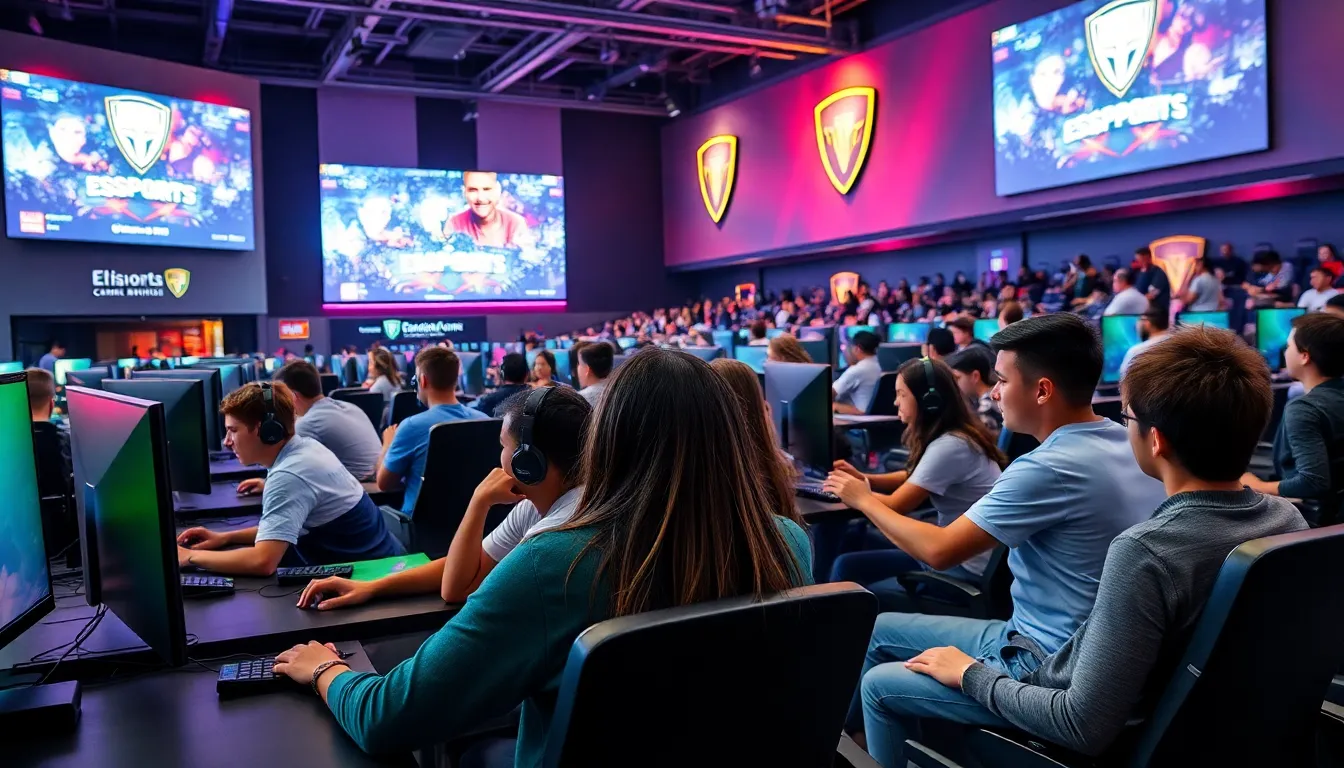
Esports has moved from the fringes of entertainment to the mainstream, captivating millions of players and viewers alike. It’s not just about playing games: it’s also about strategy, teamwork, and communication, which can translate into vital skills in any professional environment. Educational leaders have recognized this, understanding that esports can offer more than just fun and games. It enhances critical thinking, problem-solving abilities, and social connections among students.
Besides, with the rise of streaming platforms and competitive events, students are learning how to create content, manage teams, and engage with audiences. These skills are invaluable in today’s digital world, making esports a legitimate educational tool that can spark interest across various academic disciplines. Universities are now incorporating esports into their curricula, paving the way for innovative learning experiences.
The Rise of Esports in Colleges and Universities
In recent years, more colleges and universities have begun to acknowledge esports as a serious component of their academic offerings. Scholarships are now being offered, akin to traditional sports, which is a game changer for many prospective students. Institutions like the University of California, Irvine, and Harrisburg University have taken the lead in establishing competitive esports programs and dedicated facilities, which brings students on campus together and cultivates a sense of community.
This rise reflects a broader trend, where more schools aim to attract students through a unique blend of fresh, relevant courses and engaging activities. Who would have thought that tournaments and team play could become a staple on college campuses? The result has been a significant increase in enrollment, proving that esports can be a dynamic way to engage students while providing valuable learning opportunities.
Programs and Degrees Offered in Esports Education
Programs in esports education have flourished in response to growing demand. Students can now choose from degrees such as Bachelor of Science in Esports Management or Associate Degree in Esports Technology. The courses usually cover a wide array of topics, including game design, event management, marketing strategies, and analytics.
Many institutions also offer minors or certificates that complement a student’s primary field of study. For instance, a business major might benefit significantly from a minor in esports management, helping them develop niche expertise in an ever-evolving industry. Learning the nuances of sponsorship deals, streaming technologies, and team organization prepares students for diverse roles within the field.
The Benefits of Pursuing an Esports College Degree
Choosing to pursue an esports degree can open numerous doors, transforming a passion into a rewarding career. Not only do students gain specialized knowledge, but they also develop industry connections through internships and networking events, essential for landing that first job. The collaborative nature of gaming fosters teamwork and communication skills, which are highly valued by employers.
Also, esports programs often include hands-on experiences, such as running tournaments or managing live streams, giving students practical skills that will set them apart in the job market. By engaging with real-world projects, students learn to think critically and adapt to the fast-paced environment of the esports industry.
Challenges and Considerations in Esports Education
Even though the many benefits, pursuing an esports degree is not without challenges. The industry can be highly competitive, and there are concerns about job security as the market matures. Some traditionalists still view gaming as a frivolous pursuit, potentially making it harder for graduates to gain legitimacy in the job market. It’s important for students to do their assignments before choosing a program, ensuring it has credible faculty, industry connections, and an established reputation.
Also, aspiring esports professionals must be prepared for the demanding nature of the industry. Long hours, frequent travel, and the pressure to perform can lead to burnout, so it’s essential for students to strike a balance between their academic commitments and personal well-being.
Career Opportunities in the Esports Industry
With the esports industry growing exponentially, numerous career opportunities have surfaced. From game developers to marketing managers, the possibilities are endless. Those fascinated by the competitive side may find themselves coaching teams or even becoming tournament organizers. Alternatively, students who lean more towards business can explore roles in sponsorship relations or event management.
Besides, positions such as content creators, community managers, and esports analysts have gained traction, offering diverse pathways tailored to various interests. The blend of creativity and strategy endemic to esports allows for career development that suits many talents, all of which can be pursued through dedicated educational programs.